

When Drugs and Alcohol Block Digestion: The Invisible Enemies of Histaminics
Do you feel like your body sometimes reacts to food completely erratically? One day you can enjoy a glass of wine without any problems, but another day after a few sips you get a headache, a rash or heart palpitations? The key to this mystery may not only be what you eat, but also what you use to eat it.
The problem called "filter off"
An enzyme called diamine oxidase (DAO) works in our intestines. Think of it as a control filter or scavenger whose task is to eliminate histamine from food before it enters the bloodstream. If this filter works, we are safe. The problem arises when something temporarily disables this "cleaner" of ours.
Alcohol: A double hit below the belt
Alcohol is the biggest enemy for people with histamine sensitivity, for two reasons:
- Histamine itself contains: Especially red wine or sparkling wine they are rich in histamine due to the maturation process.
- Blocks the DAO enzyme: Alcohol and its breakdown product (acetaldehyde) "busy" your body so much that the DAO enzyme stops trying to break down histamine.
The result? Histamine from food flows freely into the blood and you you experience symptoms that resemble an allergy or a severe hangover, even if you have only drunk a little.
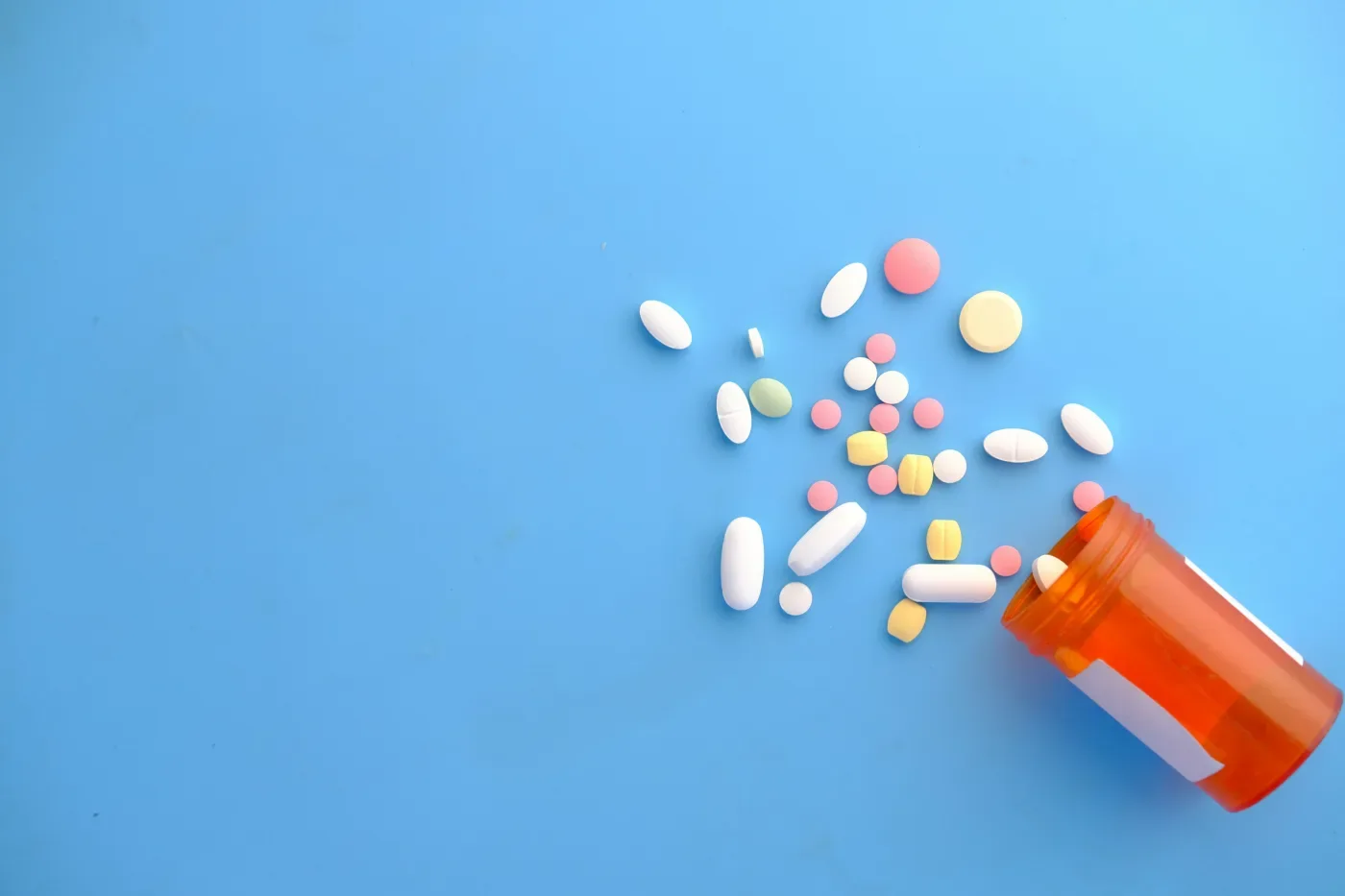
Watch out for your home first aid kit
Scientific studies confirm that approximately 20% of the European population regularly take drugs that inhibit the activity of the DAO enzyme. If you are one of them, your ability to digest histamine can be reduced by up to 90%.
Which drugs are most at risk?
- Medicines for pain and inflammation: For example, the commonly used metamizole (included in some fever and pain medications) or Diclofenac.
- Antibiotics: Especially those containing clavulanic acid (often added to amoxicillin).
- Medicines for the respiratory tract: Even some diluents mucus (e.g. acetylcysteine) can have a dampening effect.
- Medications for high blood pressure: Some antihypertensives (e.g. verapamil) directly affect the rate of histamine breakdown.
"False" friends in food (Putrescine and Cadaverine)
Scientists also draw attention to substances with unattractive names - putrescine and cadaverine. These are often found in foods together with histamine (e.g. in cured meats or aged cheeses). These substances literally "fight" for the attention of the DAO enzyme. Because they are more attractive to the enzyme, it processes them first, while the dangerous histamine waits "in the queue". This dangerously increases its level in the blood.
How to get out of it?
If you know that you suffer from histamine intolerance or suspect it, stick to these three rules:
- Follow the package leaflets: Always consult your doctor whether your long-term medications they do not block the DAO enzyme.
- Do not combine: If you have to take risky drugs (such as antibiotics), be much stricter in your diet. Avoid alcohol and foods that have been aged for a long time.
- Watch the time gap: If you must take a drug that you know blocks DAO, do not eat foods rich in histamine (such as canned goods, salami, aged cheeses or fermented vegetables).
Remember: Your ability to handle histamine is not fixed. Everything that day affects herput in your mouth - from a pressure powder in the morning to a glass of wine in the evening.
Source of information: This article is based on the professional article "Histamine Intolerance: The Current State of the Art" (Comas-Basté et al., 2020), published in the journal Biomolecules. Data on food safety and recommended histamine levels are drawn from reports by the European Food Safety Authority (EFSA) and the World Health Organization (WHO).