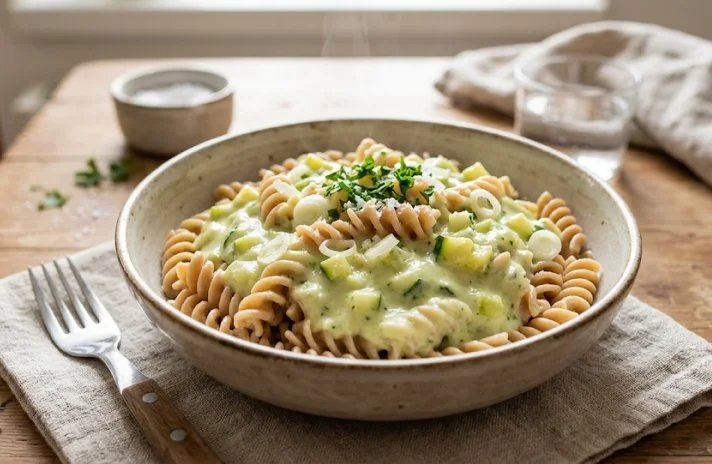
















Quick Beef Goulash with Root Vegetables
105 min
Practical articles, clear answers, and essential terms to help you navigate food choices and your own reactions.
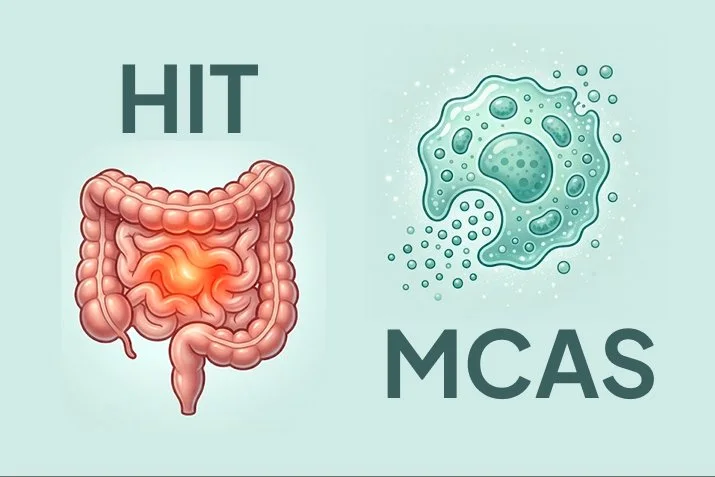
Histamine intolerance is a condition in which the amount of histamine exceeds the body's capacity to metabolize it. It may cause symptoms such as headaches, itchy skin, flushing, diarrhea, or breathing difficulties. Histamine is metabolized through two main pathways: DAO (diamine oxidase) acts primarily in the intestine and mainly breaks down histamine from food; reduced DAO activity is the principal and most commonly cited mechanism of histamine intolerance, but it is not the only one. HNMT (histamine-N-methyltransferase) metabolizes histamine inside cells and tissues, and impaired activity or genetic variants may also contribute to symptoms. Intestinal disorders, certain medicines, and other factors affecting histamine balance may also play a role.
Suitable foods are low in histamine - for example fresh meat (not smoked or fermented), rice, potatoes, most fresh vegetables except tomatoes, spinach, and avocado, and fresh fruit except citrus and strawberries.
Unsuitable foods are high in histamine or other biogenic amines: fermented products (cheese, salami, sauerkraut, vinegar), alcohol (especially wine and beer), canned fish, tomatoes, spinach, avocado, and citrus fruits.
A histamine liberator is a food that does not itself contain much histamine but triggers its release from the body's mast cells. Liberators include strawberries, tomatoes, citrus fruits, chocolate, and nuts.
A physician makes the actual diagnosis of histamine intolerance after excluding other possible causes of symptoms and assessing the clinical picture. An elimination diet, food diary, or DAO activity test does not confirm the diagnosis on its own. Histamin.io is an orientation aid and does not diagnose histamine intolerance.
Histamin.io helps you quickly check food ratings, review ingredients, and record meals and personal reactions. The Histamine Bucket uses logged meals, risky foods, liberators, DAO blockers, factors, and reactions to estimate daily load. It also carries over part of the load from the previous 48 hours as it gradually fades, helping identify periods when load may be stacking up and reaction risk may be higher. It is not a diagnosis or a precise prediction.
Glossary
Need an explanation of DAO, biogenic amines, or another technical term? Find clear definitions together in the glossary.
Three steps from uncertainty to a clear answer.
Search or scan
Find a food in the database or scan product ingredients - the Chrome extension recognizes ingredients for you.
Read the rating
Every food has one of four categories - suitable, caution, unsuitable, liberator - with an explanation why. How we rate →
Track your reactions
Record how foods affect you. Over time you build a personal list of safe meals. Reaction diary →