

HIT
Articles in HIT on Histamin.io

A low-histamine diet is not a diet for life
First you cut out wine and aged cheese. Then tomatoes, several kinds of fruit, and eventually anything you are unsure about. Your food choices keep shrinking. A different approach may help: a low-histamine diet should have a plan, regular reviews, and a route back to a more varied way of eating.

Histamine Liberators: What We Know and What Remains Unproven
Strawberries, citrus fruits and pineapple are often described as histamine liberators. SIGHI uses this category, but the scientific evidence remains limited. What does the label mean, and how should it influence your food choices?
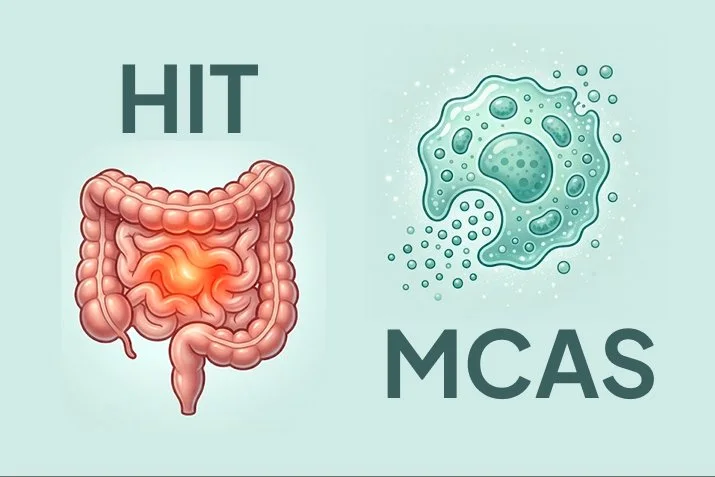
HIT and MCAS: similar symptoms, different mechanisms
Flushing, itching, diarrhoea or a racing heart can raise a question: is this histamine intolerance (HIT), or mast cell activation syndrome (MCAS)? Symptoms can overlap, but a checklist cannot tell the conditions apart. The circumstances, timing and pattern of reactions matter, together with a focused medical assessment.

Is there a reliable test for histamine intolerance?
Recurring symptoms after eating deserve attention. However, a single blood test cannot reliably confirm or rule out histamine intolerance. Assessment focuses on symptom patterns, other possible causes and, where appropriate, a short dietary trial followed by food reintroduction.

Histamine Is Not the Enemy: Why Your Body Needs It
When histamine becomes associated with itching, headaches or digestive problems, it is easy to see it as something unwanted. Yet your body makes histamine and needs it every day. It helps carry messages to your immune system, stomach and brain. Problems arise from the circumstances of its activity, rather than simply from its presence.

Cheese, Salami, Wine: Why Histamine Food Charts Disagree
Try it yourself: Google a chart of histamine in foods and open three different links side by side.
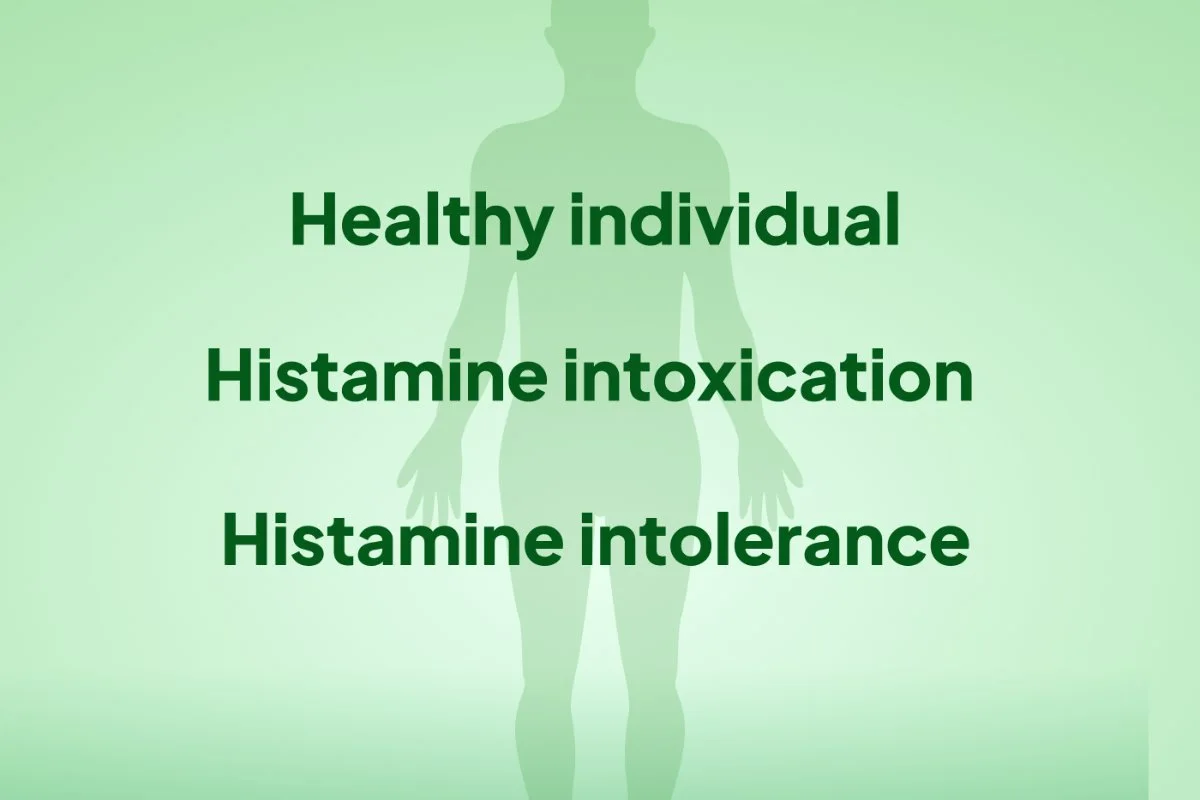
A healthy person, poisoning, intolerance: Three different states that get confused
There is a single image that says more about histamine than a long explanation. It features three side-by-side panels: a healthy person, histamine intoxication, and histamine intolerance. The same process unfolds in all three, just with different numbers. Once you understand it, much of what is written about histamine on the internet stops making sense.
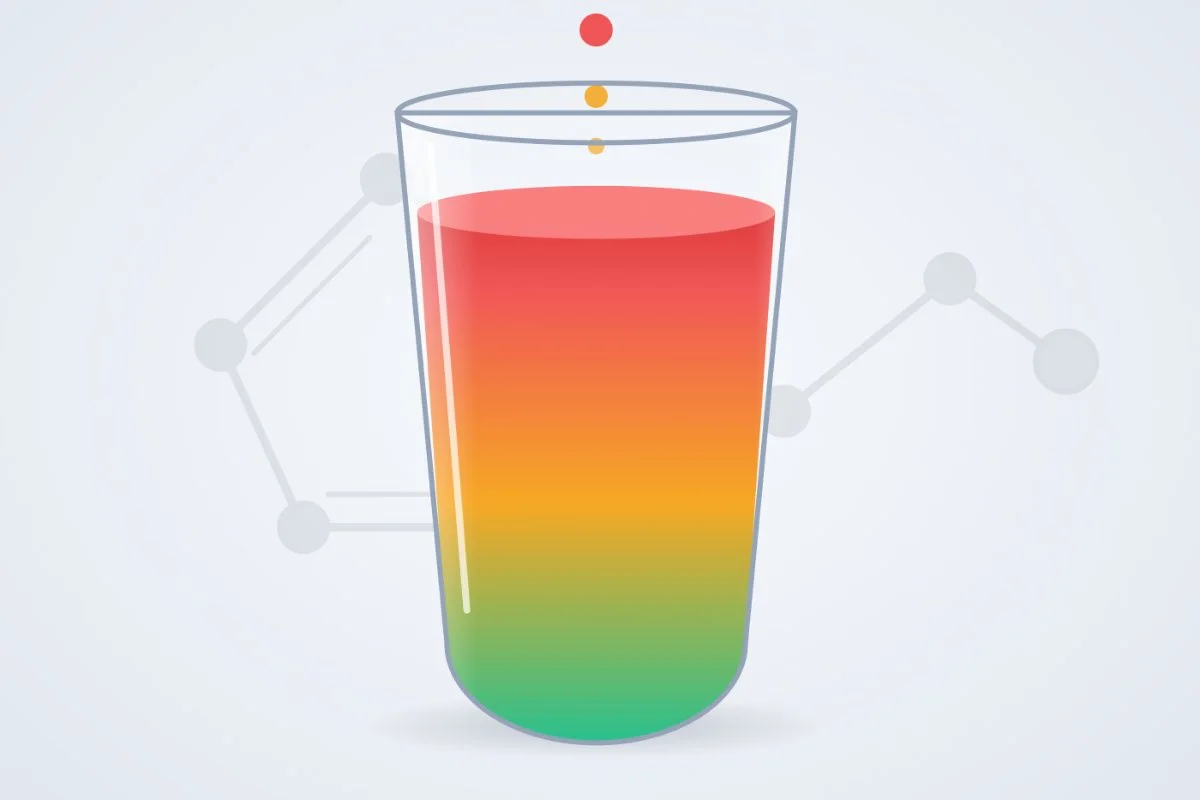
Histamine Bucket: Everything You Need to Know
We've all been there: some days you enjoy a glass of wine and aged cheese without a single issue. Other days, a completely ordinary meal leads to a rash, a migraine, or flushing within an hour.

Medicines and dietary supplements for histamine intolerance: what helps and what harms
Histamine intolerance (HIT) is an increasingly common topic in modern society. Although most recommendations revolve around a low-histamine diet and food freshness, commonly used medications and dietary supplements also play a vital (and often neglected) role.
When Drugs and Alcohol Block Digestion: The Invisible Enemies of Histaminics
Do you feel like your body sometimes reacts to food completely erratically? One day you can enjoy a glass of wine without any problems, but another day after a few sips you get a headache, a rash or heart palpitations? The key to this mystery may not only be what you eat, but also what you use to eat it.


Histamine Intolerance: Truth About Symptoms and Internet Myths
Histamine intolerance (HIT) is a topic that is often discussed today, around which many myths circulate. It is not a classic disease, but rather a condition where the body is unable to break down histamine from food - and this can lead to a whole range of unpleasant symptoms.